
Right, let’s clear the air — yes, Australia does have snow, ski resorts, and alpine meadows. And no, you don’t need to head all the way to the Snowy Mountains to find ’em. The Victorian Alps, nestled in the state’s northeast, form the southern extension of the Great Dividing Range — stretching from the high plains of Mount Hotham to the rugged escarpments of the Bogong High Plains.
I’ve bushwalked, skied, and swatted more than a few mozzies across this part of the country, and let me tell you: this slice of alpine country is as striking as it is underrated. It’s alpine Australia without the fanfare — cold in the winter, bursting with wildflowers in the summer, and full of ridgelines that’ll test your knees and reward your soul.
So where exactly are the Victorian Alps? Let’s unpack it — with local know-how, climate tips, seasonal advice, and a bit of cheeky insight into how to do it right.Where Are They Located?
Contents
Your Map to the Mountains

The Victorian Alps are located in the northeast of Victoria, forming part of the Australian Alps which straddle the borders of Victoria, New South Wales, and the ACT. They fall within the broader alpine region known for its mountainous terrain, national parks, and snowy winters.
Here’s a quick breakdown:
- State: Victoria
- Region: Northeast Victoria
- Major Ranges: The Bogong High Plains, Mount Buffalo Plateau, and the Alpine National Park ranges
- Highest Peak: Mount Bogong (1,986 metres), Victoria’s highest mountain
They’re accessible from towns like Bright, Omeo, Mount Beauty, Mansfield and Harrietville — each one acting like a little launchpad for alpine adventures. If you’re coming from Melbourne, you’re looking at a 3.5 to 5-hour drive, depending on where you’re headed and whether you hit any roadworks or wombats.
Highlights
A Wild Tangle of Peaks, Snow, and Story
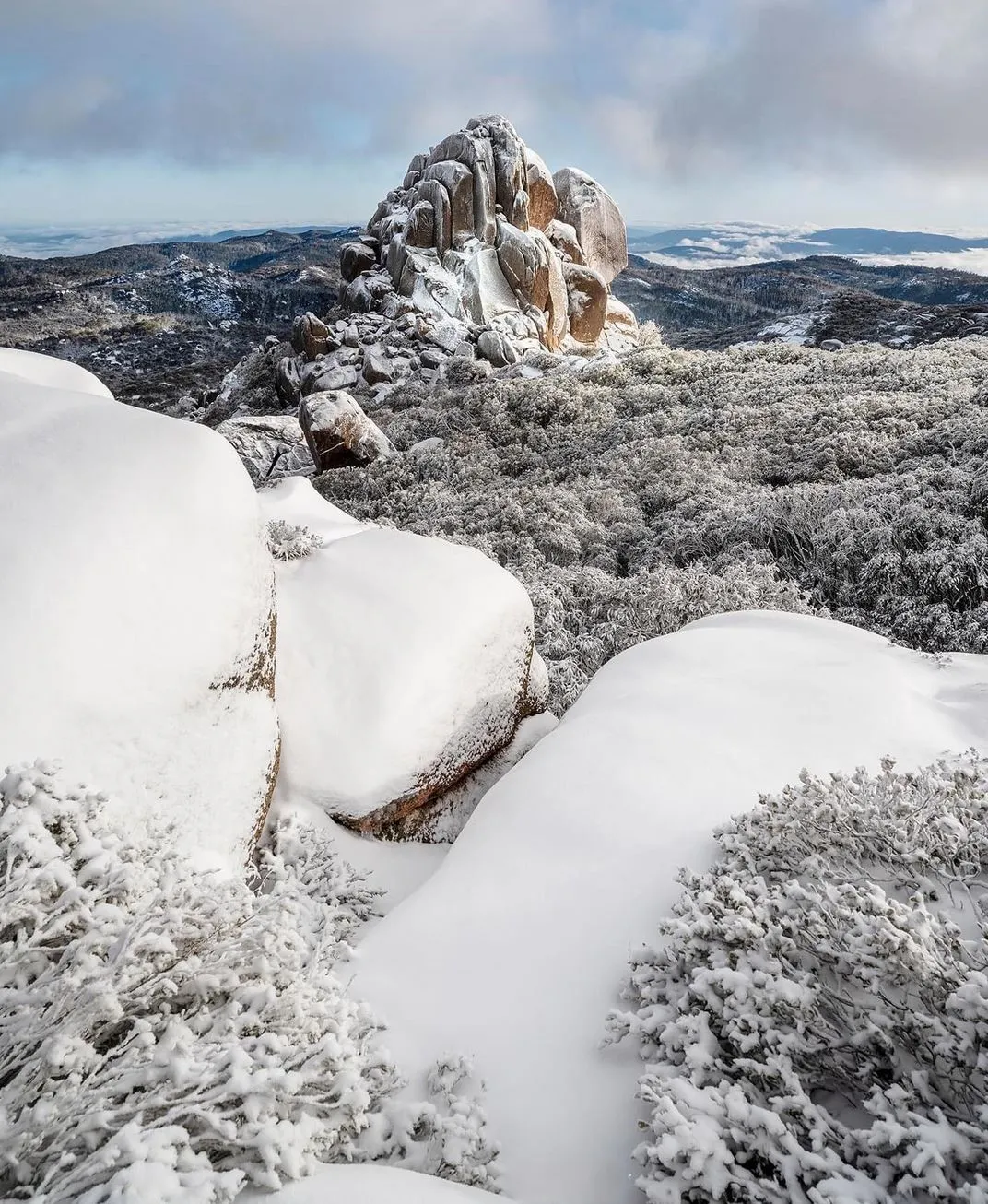
What sets this alpine region apart? It’s a mix of climate, history, and topography you won’t find elsewhere in Oz:
- Mountain Landscapes & Ranges: Think craggy escarpments, grassy alpine meadows, mountain peaks, and deep valleys cut by fast-flowing mountain streams and mountain rivers.
- Glacial Lakes & Alpine Waters: Sparkling alpine waters fed by snowmelt — perfect for a summer dip (if you don’t mind the freeze).
- Cultural & Pioneering History: Home to ancient Aboriginal pathways and Dreaming stories, and later, cattlemen’s huts and gold rush trails — rich in national history and pioneering spirit.
- Flora & Fauna: You’ll find alpine wildflowers, colourful wildflowers, snow gums, and hundreds of species of native animals including wombats, echidnas and the endangered mountain pygmy-possum.
This is real snow country. The Victorian Alps are one of the few places in Australia that experience deep snow in winter, making them ideal for recreational skiing, cross-country skiing, and downhill skiing.
Seasonal Travel Tips
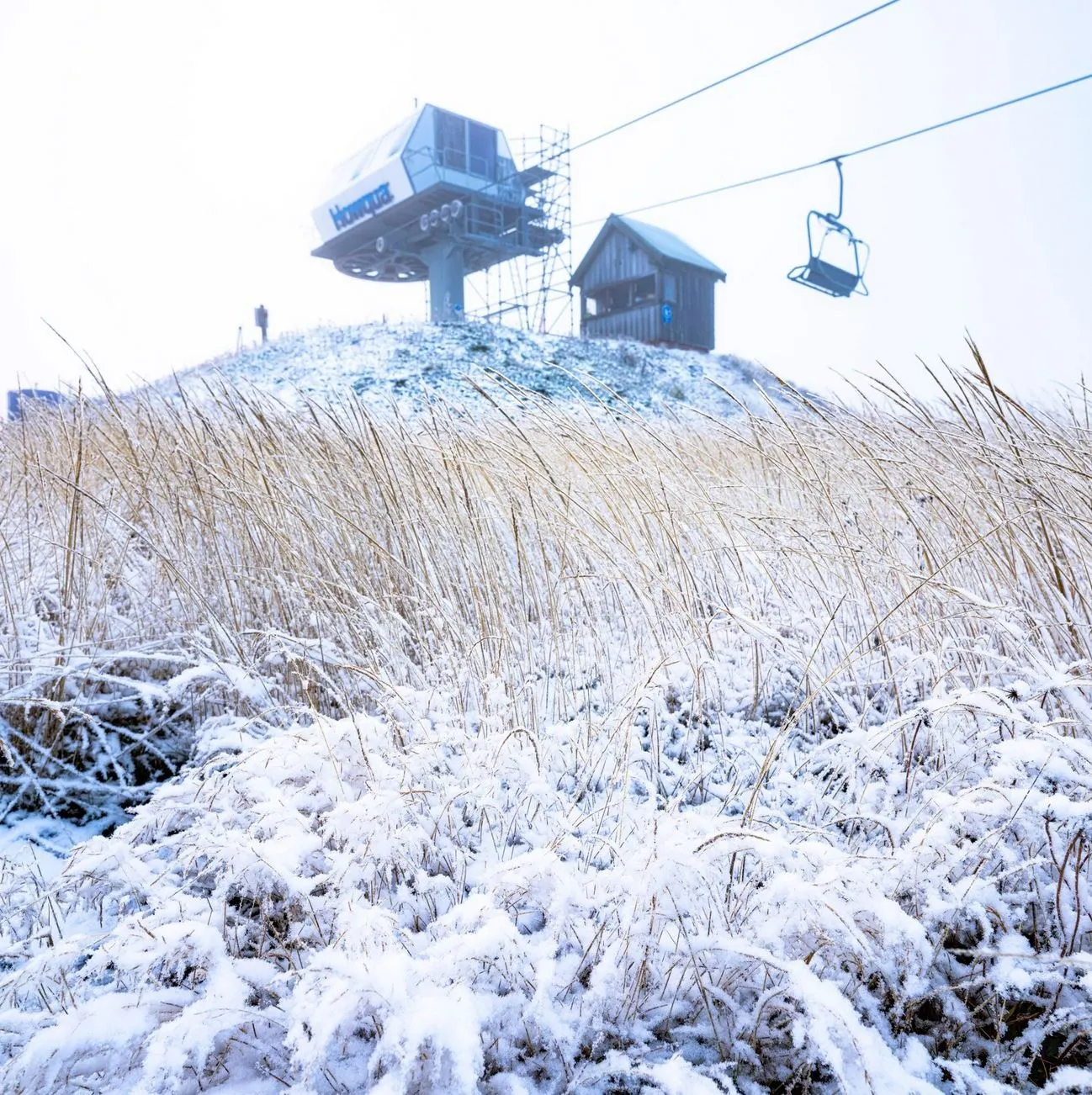
Winter (June to August): Snow Sports & Slow Roads
- What to Expect: Deep snow, harsh winters, icy roads, roaring lodge fireplaces.
- Best For: Skiing, snowboarding, country skiing, snowshoeing.
- Top Spots: Mount Hotham, Falls Creek, Mount Buller.
- Travel Tips: Chains may be required; check snow reports and road closures.
- Tour Idea: Wayoutback Tours offers winter itineraries including snowplay stops at Mount Buller and scenic alpine lookouts.
Planning a day trip to Mt Buller from Melbourne? It’s one of the easiest alpine escapes, with plenty of shuttles and tours making the journey up for a full day of downhill skiing and après fun.
Spring (September to November): Wildflowers & Waterfalls
- What to Expect: Blooming alpine wildflowers and colourful wildflowers, gushing rivers from snowmelt.
- Best For: Hiking, mountain biking, wildlife spotting.
Summer (December to February): Long Days & High Trails
- What to Expect: Warm days, cool nights, alpine thunderstorms.
- Best For: Hiking the Bogong High Plains, camping, trout fishing, beer tasting, and summer recreation.
- Local Tip: Wildflowers in full colour — keep an eye out for billy buttons and alpine daisies.
- Tour Option: Autopia Tours runs guided summer trips through Mount Buffalo and the King Valley wine region.
Autumn (March to May): Crisp Air & Fewer Crowds
- What to Expect: Glorious golden foliage, cooler weather.
- Best For: Scenic drives, photography, and wine swilling.
Best Things to Do
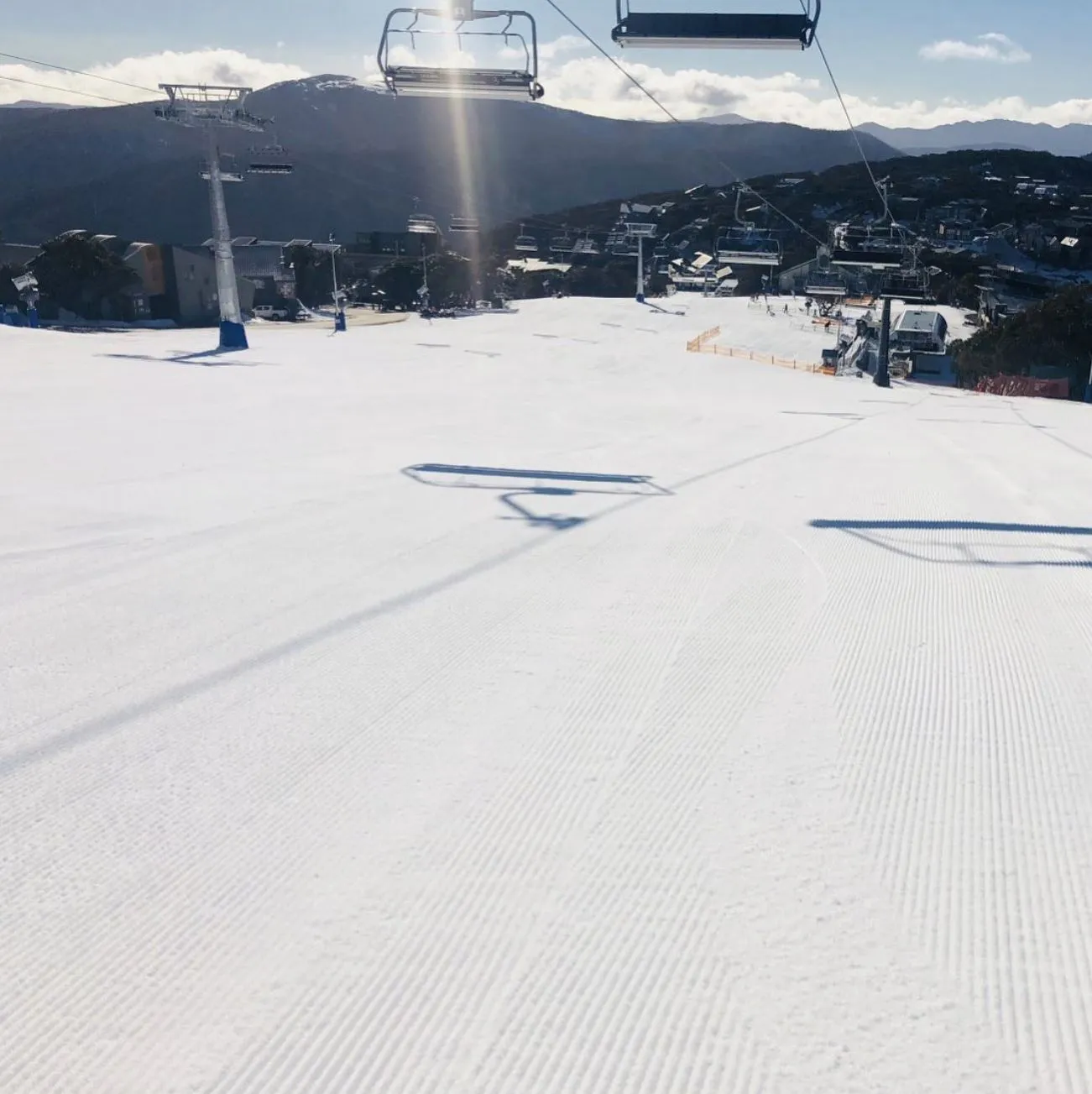
Hike, Ride, Ski, Sip — Repeat
Whether you’re in snow boots or trail runners, there’s plenty to do across these distinctive landscapes:
Bushwalking & Alpine Hiking
- Razorback Trail to Mount Feathertop
- Falls to Hotham Alpine Crossing (multi-day hike marked with yellow track markers)
- Mount Bogong Summit — tough going but worth it
- Wildlife Tours sometimes lead guided treks into remote corners of Alpine National Park.
Mountain Biking
- Mount Beauty MTB Park
- Mystic Park in Bright (gravity-fed trails)
- Dinner Plain village tracks
- These alpine environments offer some of the best mountain biking in Australia.
Skiing & Snow Play
- Mount Hotham — rugged and wild, suited to experienced skiers
- Falls Creek — family-friendly with great cross-country trails
- Mount Buller — easiest access from Melbourne, popular for day trips
- A Mt Buller trip is ideal for beginners or anyone short on time but keen for a snow fix.
- These ski resorts cater to every level of alpine experience.
Food & Wine
- King Valley Prosecco Road
- High Country Brewery Trail
- Local cheese and honey producers around Milawa and Bright
Scenic Drives
- Great Alpine Road — one of Australia’s highest and most spectacular sealed roads
- Bogong High Plains Road — winding through stone huts and high meadows
Camping & Off-Grid Escapes
- Remote campsites in the Alpine National Park
- Bush camping along mountain rivers (watch out for leeches!)
- Fully equipped eco-lodges in Dinner Plain and Mount Hotham
Real Talk: Travel Warnings & Practical Tips
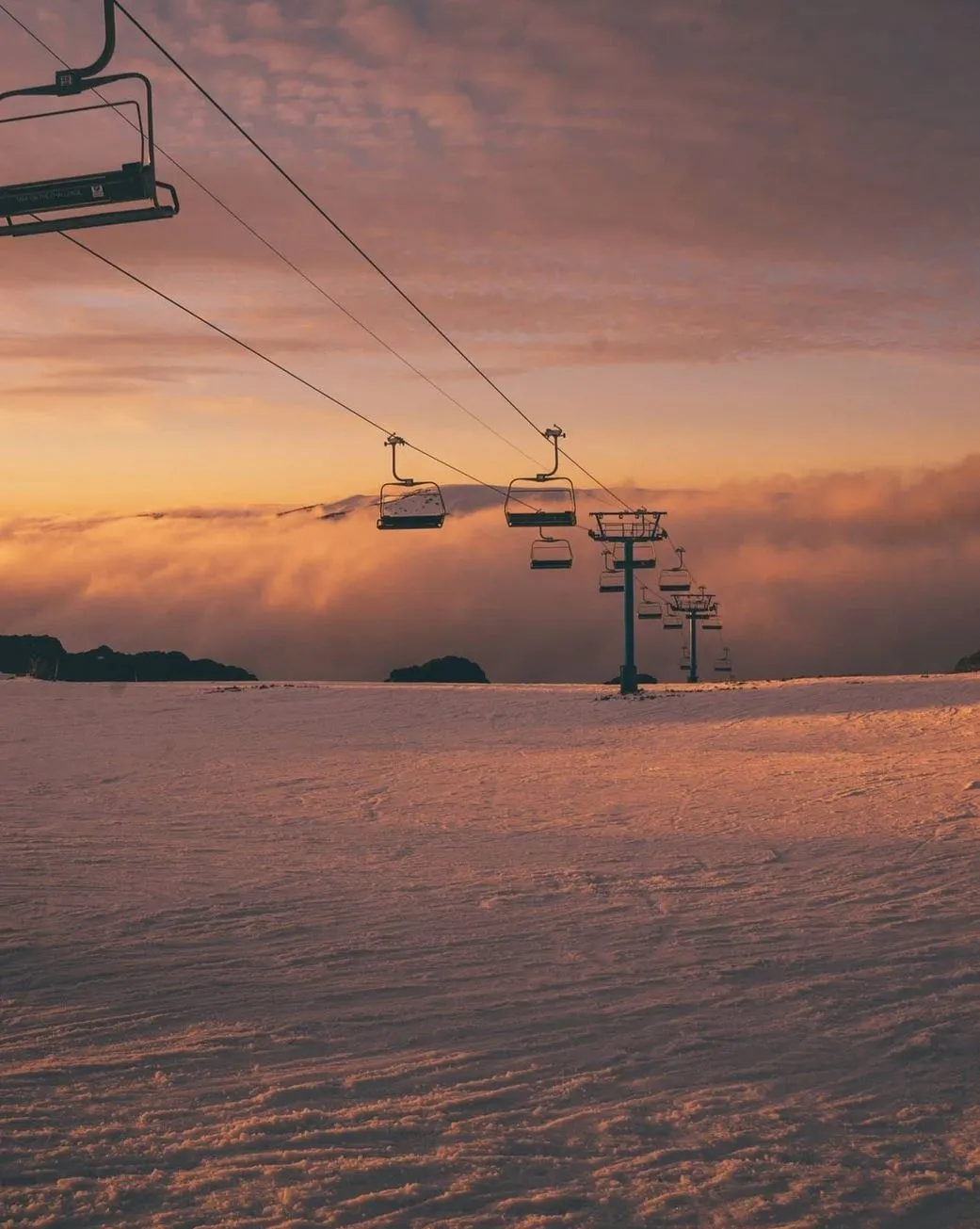
- Weather Changes Fast: Pack layers — the temperature can drop 15 degrees in an hour.
- Fuel Up Often: Some alpine towns don’t have a servo open after 6pm — and mobile signal? Forget it.
- Permits: Required for some national parks and multi-day hikes — check Parks Victoria.
- Crocodile-Free: You’re safe for a swim — if you can brave the cold.
- Mozzies & March Flies: Especially in warmer climates — bring repellent or risk becoming a buffet.
Nearby Destinations Worth Adding to Your Itinerary

A few alpine-adjacent spots to roll into your trip:
- Bright: Mountain biking mecca, autumn foliage, and a ripper bakery.
- Mount Buffalo National Park: Granite cliffs, waterfalls, and eerie snow gums.
- King Valley: Prosecco, paddock-to-plate dining, and Italian heritage.
- Albury-Wodonga: Gateway cities on the Murray River, great for a post-hike pub feed.
Travelling with a tour company? Autopia Tours runs summer and winter adventures through this region, including guided hikes and wine detours. I’ve tagged along on a couple — they’re relaxed, informative, and great if you prefer letting someone else handle the narrow mountain roads.
Final Thought
The Victorian Alps might not get the global headlines, but they’ve got all the ingredients for a cracking Aussie adventure — deep snow in winter, alpine meadows in summer, and more wombat sightings than you can poke a stick at.
Bring your boots, your appetite, and a healthy respect for the weather — this is mountain country, after all. Whether you’re exploring natural country or geeking out over continental collisions, it’s a region built for curious roamers.
If you’re in Melbourne and short on time, a Mt Buller day tour is a brilliant way to sample snow country without needing to commit to a full alpine holiday.
And if you’ve got a favourite hike or ski run I’ve missed, drop me a line. I’m always updating my maps.
FAQ
How do I get to the Victorian Alps?
From Melbourne, head northeast on the Hume Freeway, then branch off toward Mansfield, Bright or Omeo, depending on your target peak. Bus services to ski resorts during winter.
Is it worth visiting the Victorian Alps outside of ski season?
Absolutely. The wildflowers in summer, hiking trails, and cooler climate make it a top escape from the city.
Can you camp in the Victorian Alps?
Yes — in designated areas across Alpine National Park, Mount Buffalo, and along rivers. Some sites are remote, so come prepared.
What wildlife can I spot?
Keep your eyes peeled for wombats, emus, echidnas, crimson rosellas, and in rare cases, brumbies.
Are the Victorian Alps family-friendly?
Very. Falls Creek and Mount Buller are great for kids in winter. In summer months, there are plenty of easy trails, rivers to splash in, and mountain village events.